
Trust at 30,000 Feet: Why Planes Reveal Terrible Cybersecurity Practices
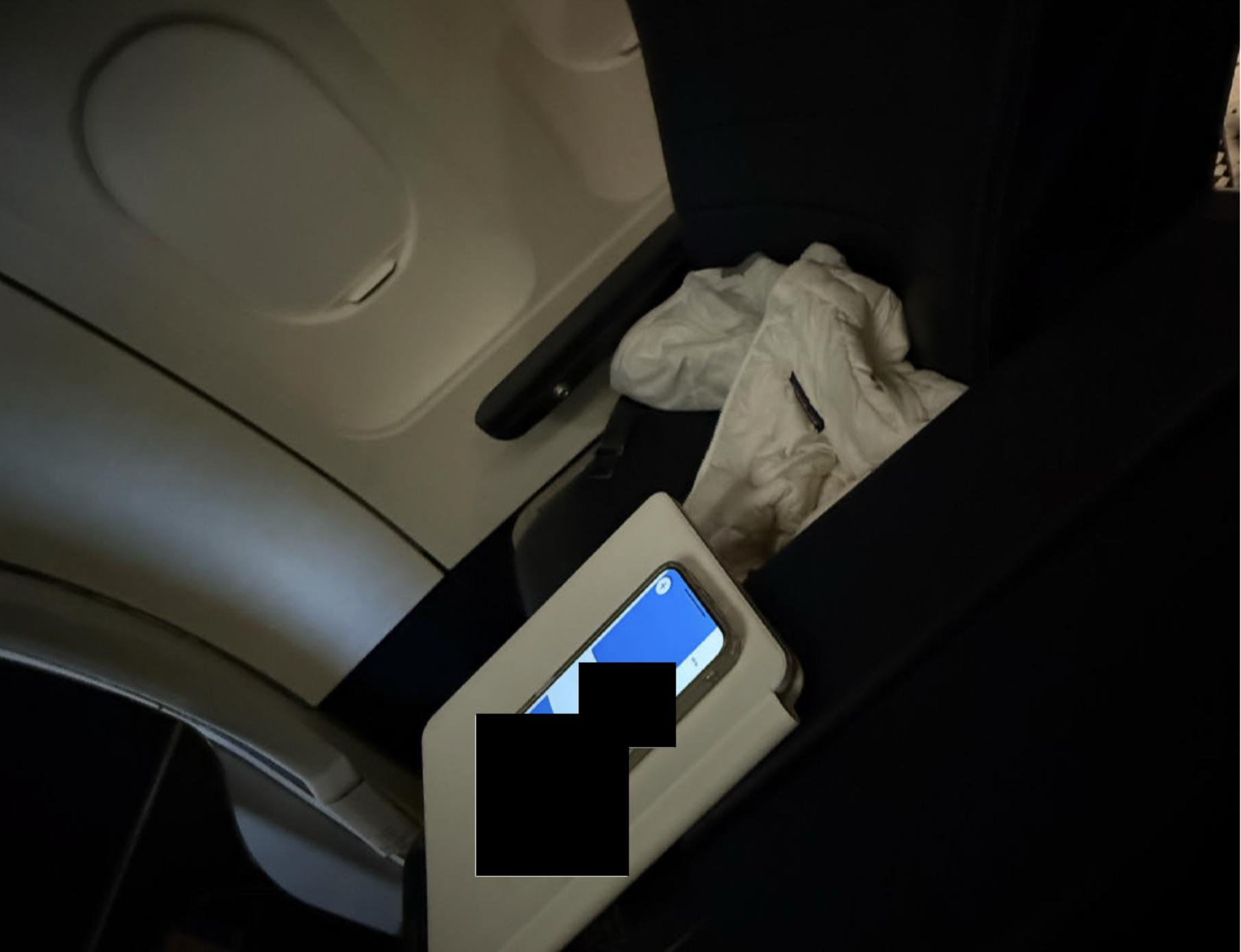
I fly a lot. Somewhere between the airport security line and landing, I’ve developed a pastime – observing people work on planes. And what I’ve noticed is unsettling. At 30,000 feet, people seem to shed their cybersecurity instincts – what little they may have had. Laptops wide open with no privacy screen, phones unlocked and unattended, iPads left on tray tables while passengers wander the aisle. Being on a plane gives people a false sense of trust.
What I See in the Skies
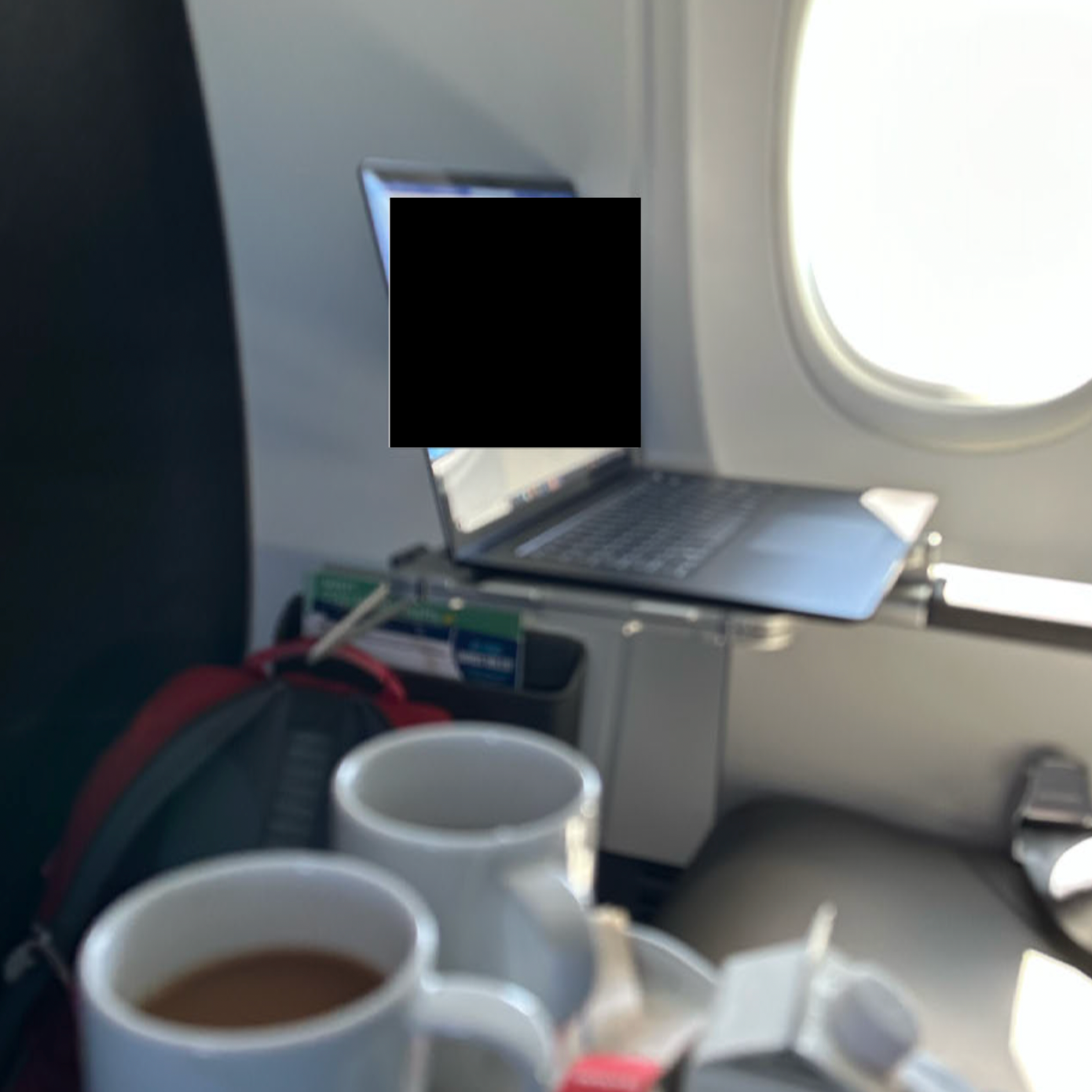
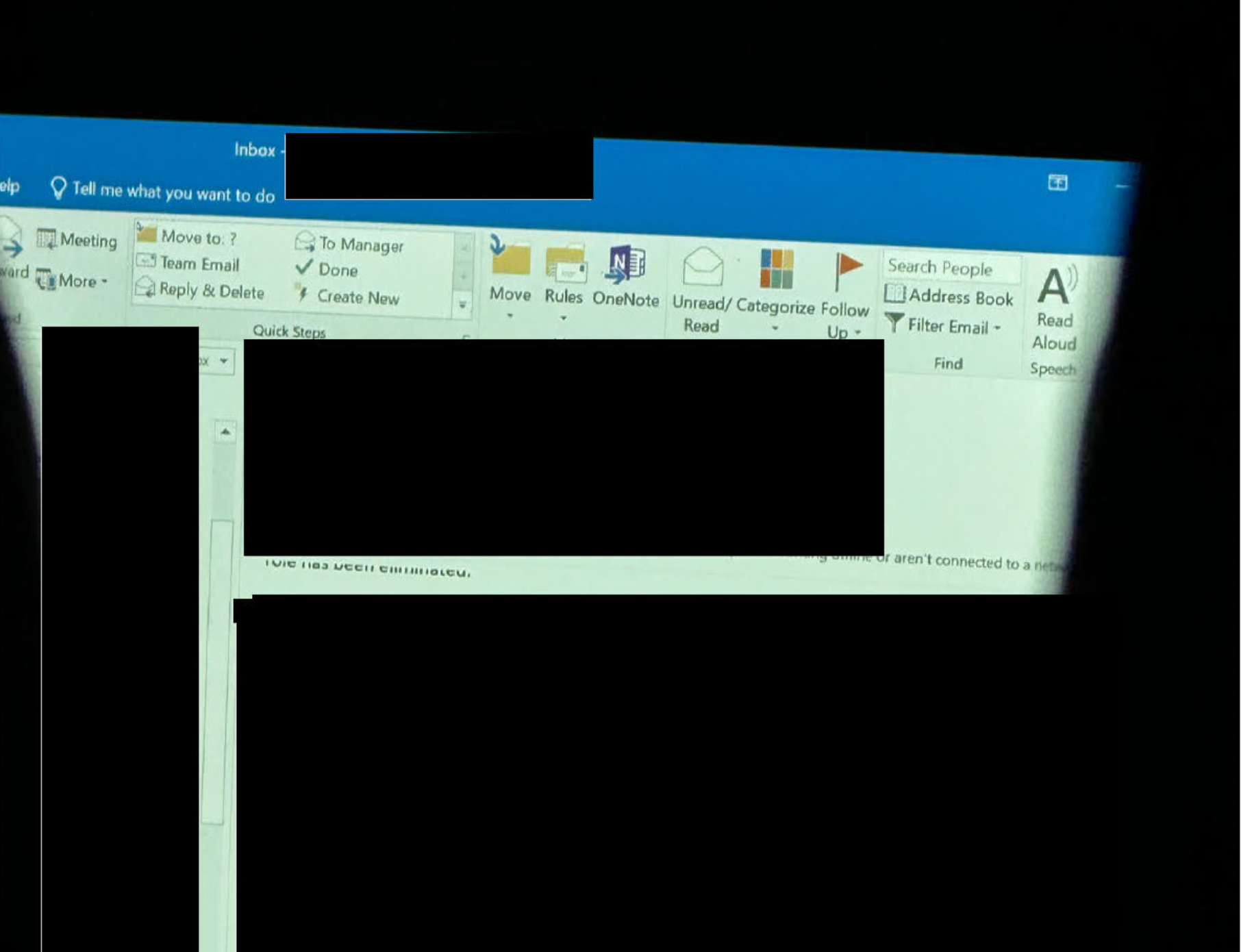
I’ve watched executives draft sensitive financial documents in full view of strangers. People planning layoffs, couples hashing out private post-wedding photos, and business travelers reviewing contracts and opportunities—all with no privacy screen and often in plain text on a laptop or iPad. Others leave their phones unlocked while in the restroom, essentially inviting anyone to peek at emails, Slack channels, calendar, or text threads.
Last year alone, I caught glimpses of:
- Company strategies still under NDA
- Customer PII in spreadsheets
- Drafts of sensitive HR announcements or reviews
- Wire transfer details for an unpaid employee
These aren’t edge cases — they happen on nearly every flight I take.
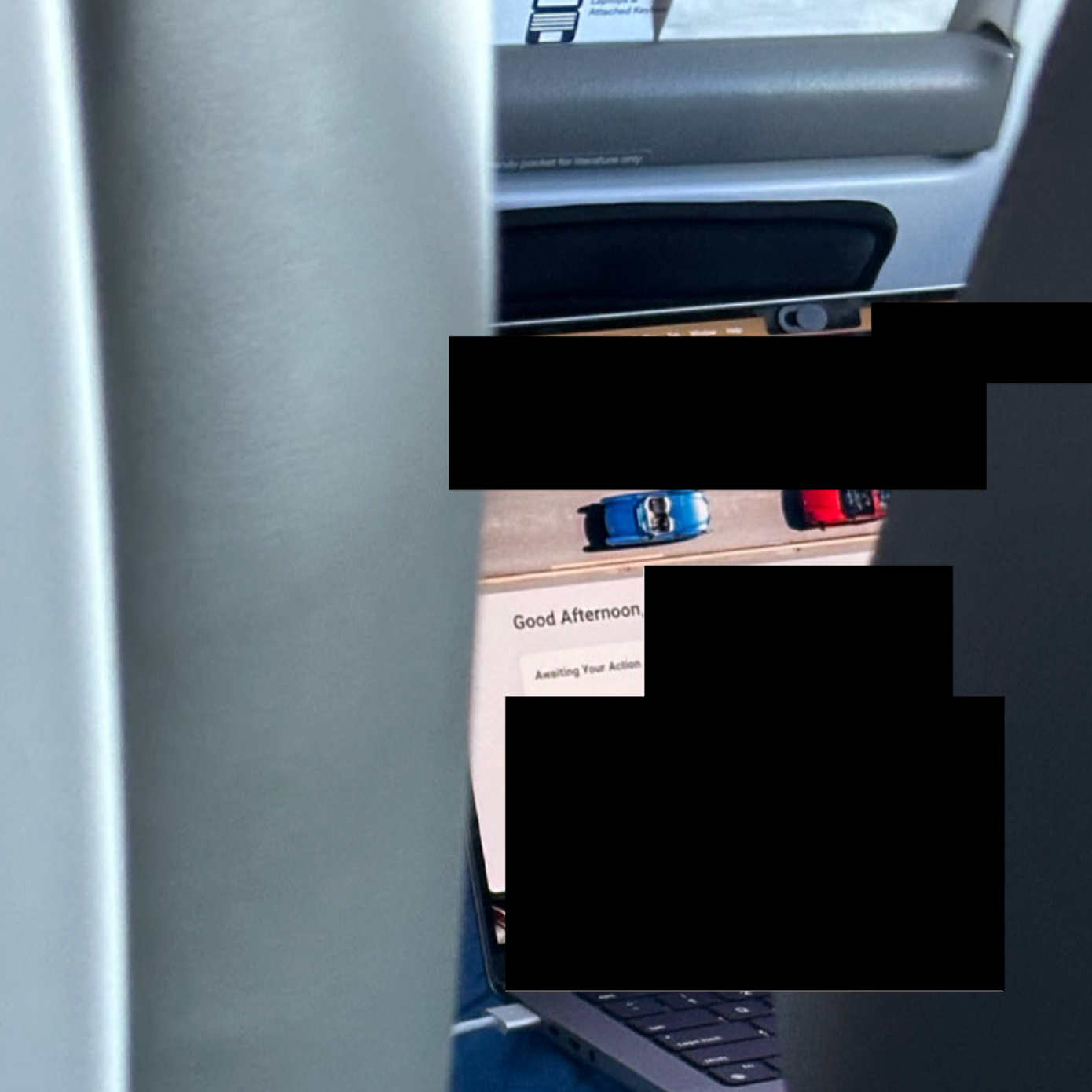
The irony? I'm confident these same individuals would rarely consider leaving their laptop open in a coffee shop or their phone unlocked and unattended on a conference table at the office. But on a plane, surrounded by strangers in plain view, privacy and security seem to take an economy seat – near the toilets.
Why We Trust Strangers on Planes
There's a psychological element here. Planes feel oddly safe because everyone is occupying similar space. That shared experience creates a sense of community, even though in reality, you know nothing about the person a seat away or a row behind. Add cramped seating and boredom, and people become naturally curious. Shoulder-surfing becomes almost effortless.
It's usually not malicious – it's human. But all it takes is one passenger with ill intentions to turn casual negligence into a real breach.
Why This Matters
From a cybersecurity perspective, corporate devices and sensitive information left exposed can violate compliance standards or company policies. A stranger snapping a quick photo of your screen could leak confidential plans or customer data.
From a privacy perspective, you're trusting that the person next to you or right behind you won't absorb personal details about your finances, family, or health – let alone the employees or customers at which you may be employed. It's a big gamble for something as simple as a privacy screen or ensuring your device is not left unattended unlocked.
Planes may feel secure, but they're a very risky place for unintentional exposure of confidential data.
How to Do Better
Cybersecurity and privacy shouldn't end when you leave the office or step out of your home. You should be situationally aware and perhaps a bit paranoid. Here are some simple, effective habits for traveling more securely:
- Use a privacy screen on all your devices: a USD 20.00 investment keeps your screen visible to only you.
- Lock your device: even a quick bathroom break should mean locking your phone or laptop.
- Limit sensitive work: save HR, financial, legal documentation for later. Work on low-risk tasks instead.
- Use VPN: inflight Wi-Fi is convenient, but without a VPN your exposing your internet traffic. When not allowed, work later or work locally without Wi-Fi.
- Be mindful of conversation: your voice carries father than you think.
If you wouldn’t show it on a screen in a conference room full of strangers, don’t open it up on a plane.
Final Descent
Planes are fascinating microcosms of human behavior. They reveal just how much people let their guard down when they feel "safe". Security and privacy don't take time off at altitude.
The next time you're tempted to draft a sensitive email or leave your phone face-up on the seat while you use the toilet, remember: the person sitting next to you could be just as curious as I am – and potentially not nearly as harmless.
Security and privacy don’t take time off at altitude or anywhere else. The choice to protect your screen, your device, and your data is one of the simplest in-flight upgrades you can make.